Hinge
Learn to distribute load through the hips while keeping the spine organised and the breath available.
Functional training
A thoughtful approach to squatting, hinging, pushing, pulling, carrying and rotating with control.
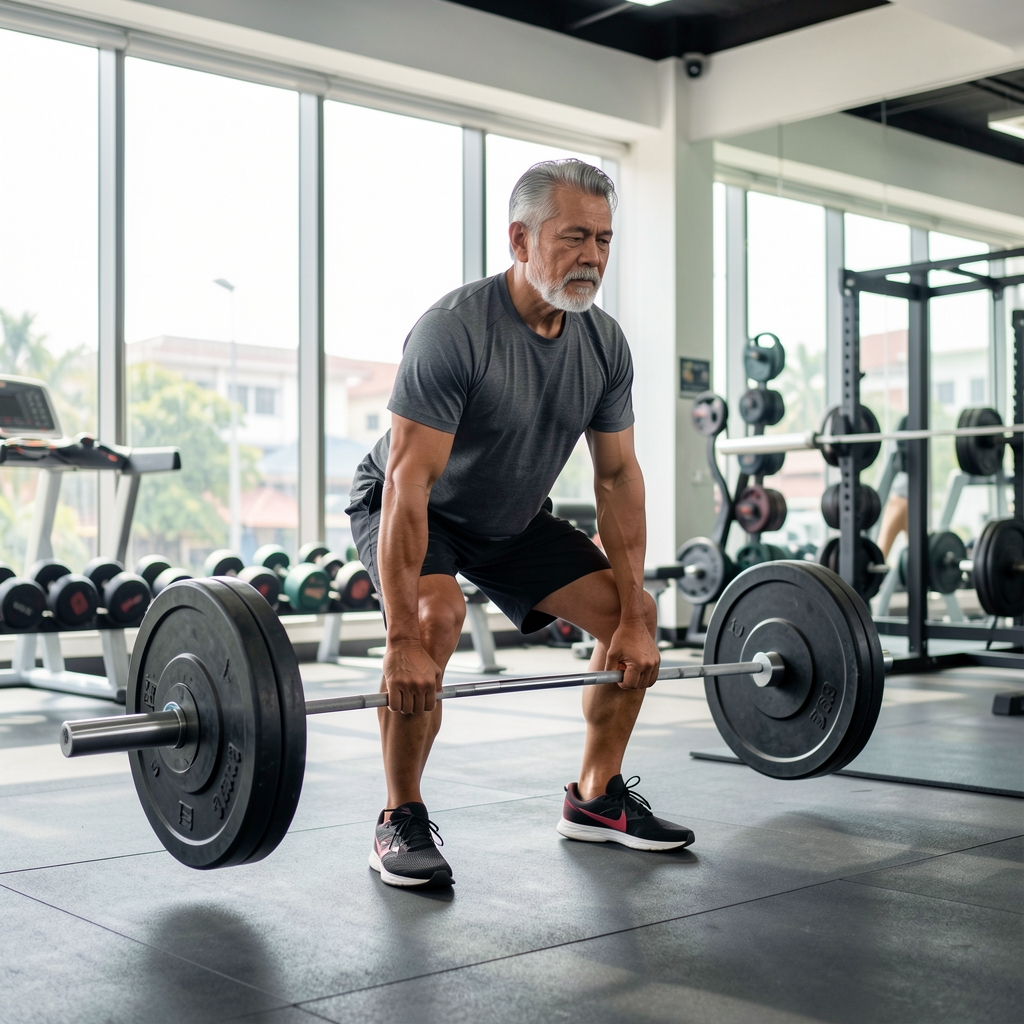
Functional training is not defined by one piece of equipment. It is defined by a relationship between task, position, force and control. A loaded carry asks for bracing and gait. A split squat asks for balance, hip and knee coordination. A row asks the shoulder blade and trunk to cooperate. The exercise earns its place when it helps a person move with more options.
Learn to distribute load through the hips while keeping the spine organised and the breath available.
Use walking under load to practise posture, grip, trunk control and calm effort in one simple pattern.
Shoulder motion is more than pressing. Reaching, pulling and controlling overhead positions matter outside the gym.
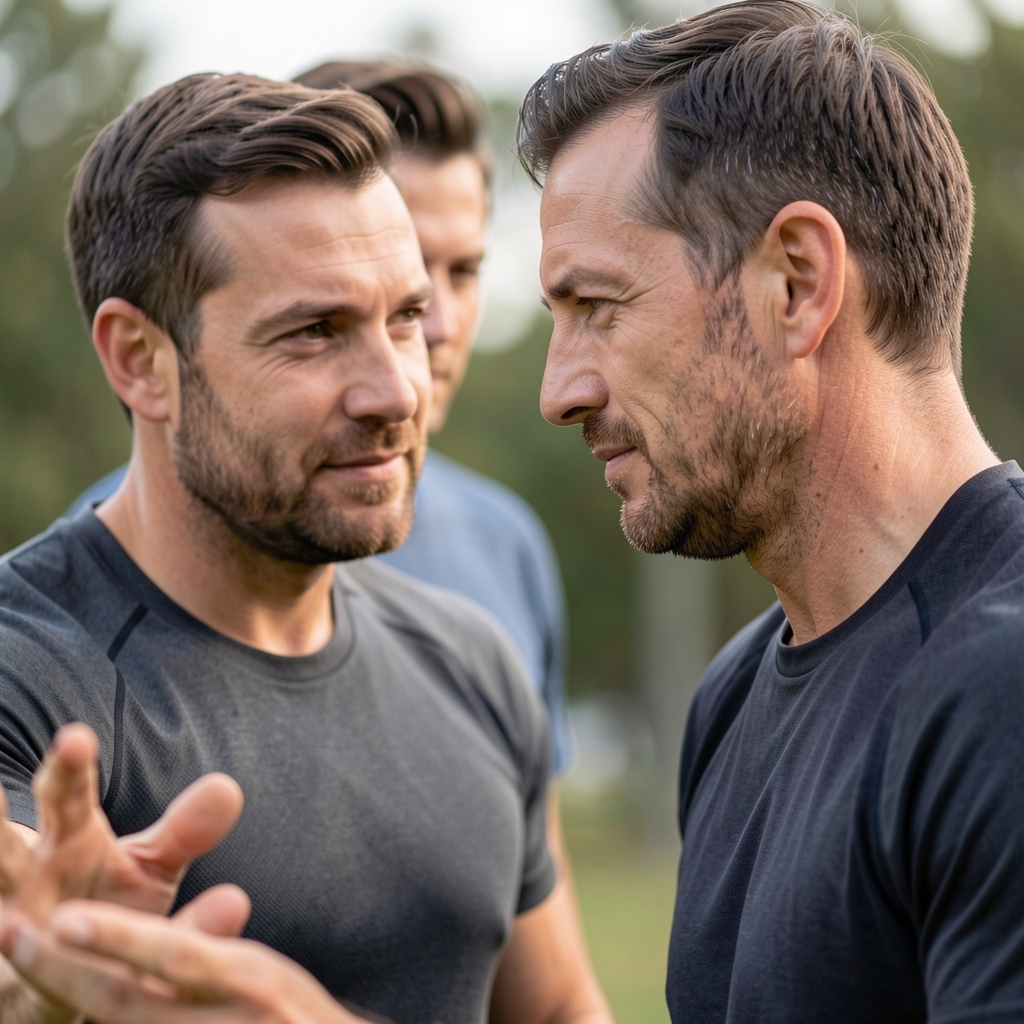
Early repetitions teach position. Middle repetitions test repeatability. Late repetitions reveal whether the load or volume is asking for a compensation. Stopping a set before technique becomes unfamiliar is not a lack of ambition; it is a way to preserve the lesson.
Pair training with recovery| Variable | Start with | Progress by |
|---|---|---|
| Range | Comfortable controlled motion | Adding consistency before depth |
| Load | Weight that preserves breathing | Small increments across weeks |
| Complexity | Stable two-foot or supported patterns | Unstable positions only when ready |
“The strongest programme is the one that leaves room for tomorrow.”
Read how sleep, nutrition and workload change the meaning of a hard session.
Explore nutrition