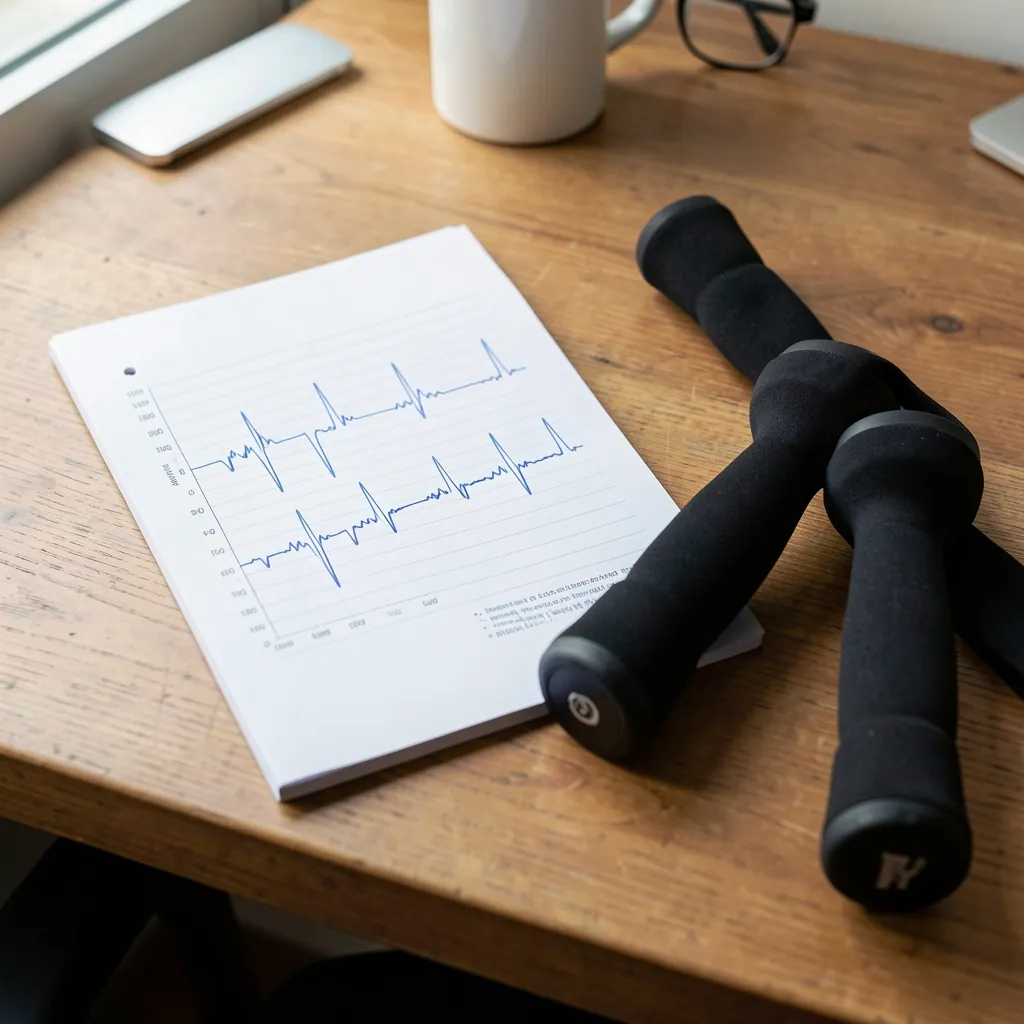
Cardiovascular Base & Pacing
Understanding heart rate variability, nasal breathing control, and why low-intensity aerobic base building supports daily mobility without excessive fatigue.
Explore pacing methods →A grounded editorial publication exploring cardiovascular endurance, daily walking cadence, posture ergonomics, and active recovery protocols that make functional movement sustainable in ordinary life.

Endurance and physical readiness depend on coordinated biomechanical systems. We evaluate how sustained cardiovascular efficiency, joint mobility, and restorative routines interact over months of consistent practice.
Understanding heart rate variability, nasal breathing control, and why low-intensity aerobic base building supports daily mobility without excessive fatigue.
Explore pacing methods →
Developing structural resilience through multi-planar joint mobility, spine alignment, and repeatable movement patterns rather than unpredictable strain.
Review posture dynamics →
How restorative sleep patterns, hydration timing, and brisk walking cadence reset autonomic tone and protect against cumulative work-week stress.
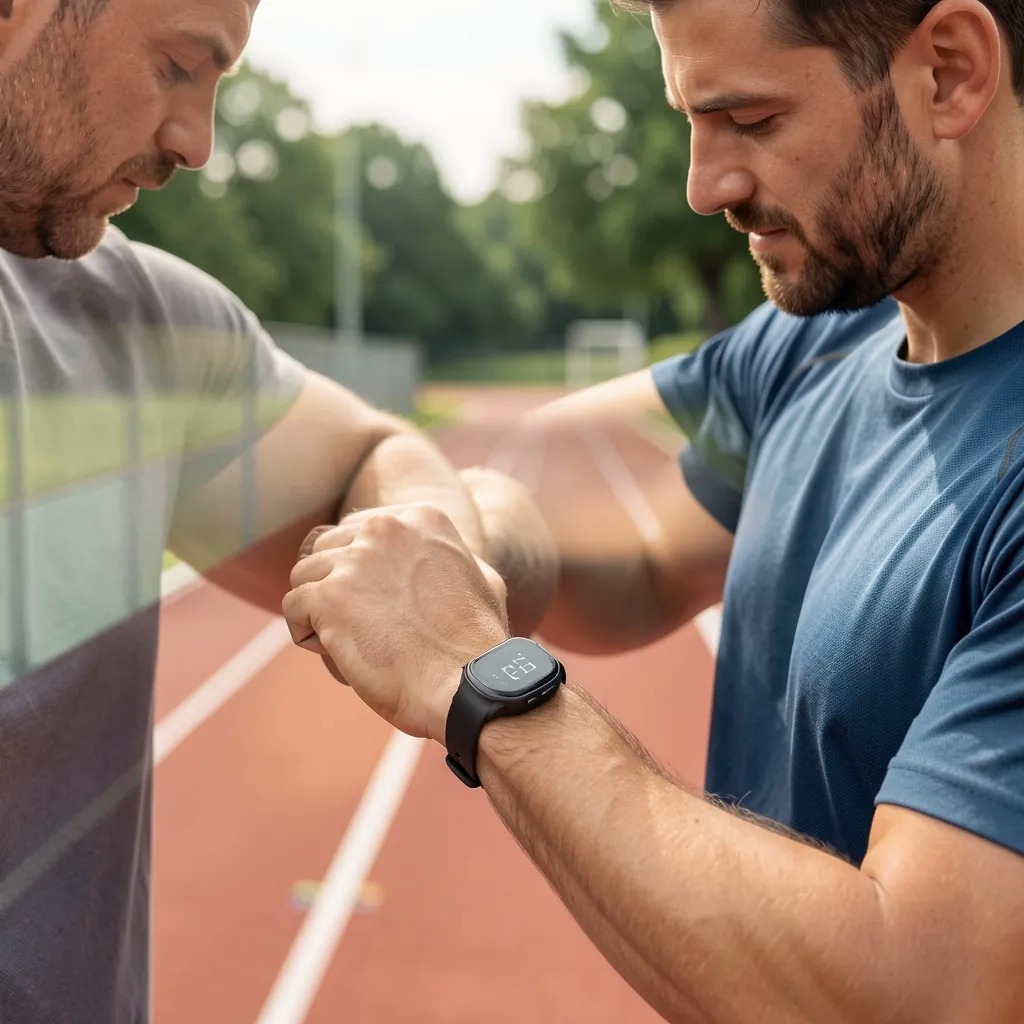
Examine recovery models →Calibrate your cardiovascular intensity boundaries using the Tanaka maximum heart rate formula combined with the Karvonen heart rate reserve method. Match your walking cadence to your training objective.
Promotes lymphatic flow, joint lubrication, and parasympathetic recovery. Conversational effort with complete nasal breathing.
Maximizes mitochondrial respiration and aerobic enzyme activity. Sustainable for 45 to 90 minutes without glycemic depletion.
Higher walking velocity or incline cadence. Increases cardiac stroke volume while requiring controlled cyclical rhythm.
At Genese, we believe consistency is primarily an engineering problem. Rather than prescribing aggressive regimens that disrupt professional life, we document how small adjustments to stride length, spinal alignment, and breathing cadence produce measurable adaptations.
Every article published on our desk references validated biomechanics research, separating established physiological realities from speculative opinions.