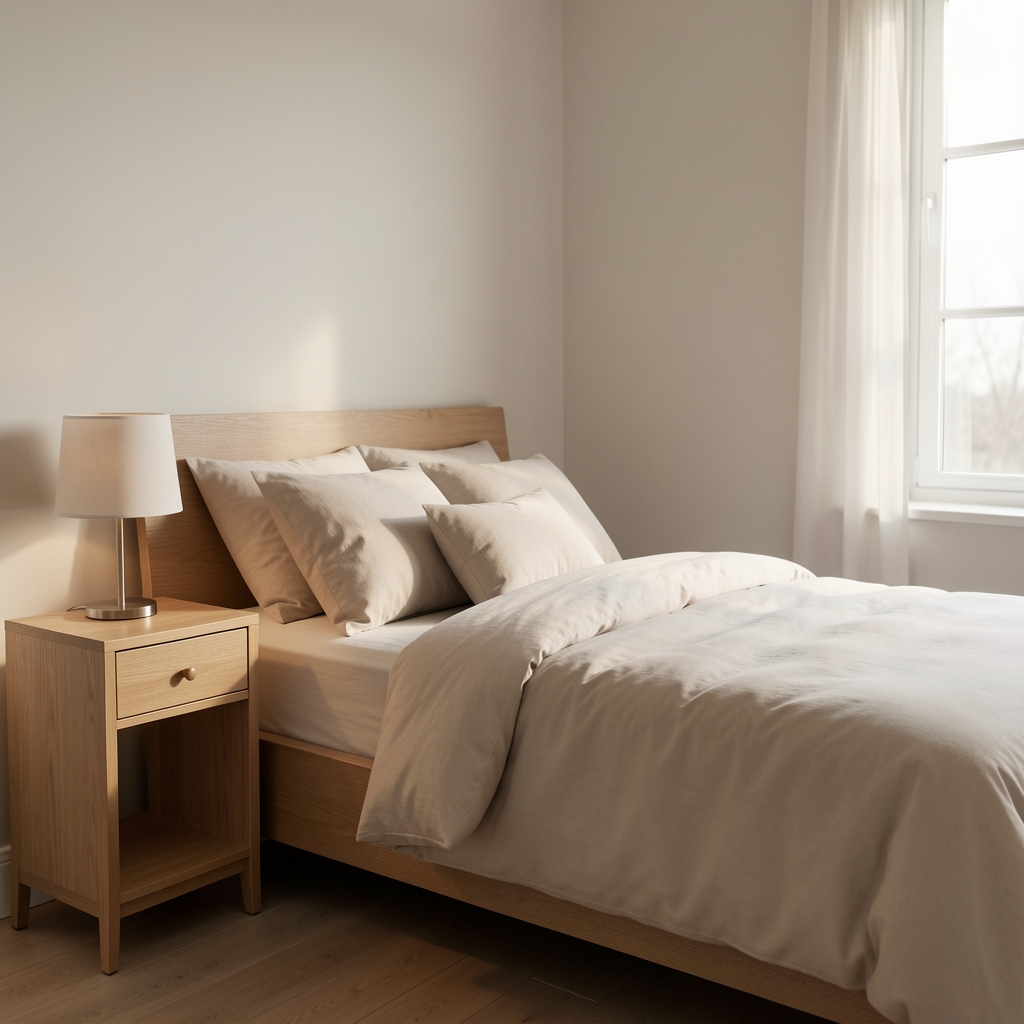
Sleep rhythm
Consistent timing, a cool room and enough total sleep support the nervous system after demanding work.
Recovery practice
Recovery is not passive time. It is the environment in which training becomes useful.

Consistent timing, a cool room and enough total sleep support the nervous system after demanding work.

Walking and gentle mobility maintain circulation without adding another hard signal to the week.
Training is one stressor among many. Work deadlines, travel and family commitments influence the same response.

Choose the next session after considering the previous session, not before it. A lighter day can protect the quality of the next meaningful exposure. This approach replaces guilt with useful information.
“Rest is not the opposite of training; it is part of its grammar.”