The hinge
Bending at the hips while keeping the spine supported, useful for lifting objects from low surfaces.
Article · 2 October 2026
Useful strength is less about spectacle and more about owning positions while life keeps moving.
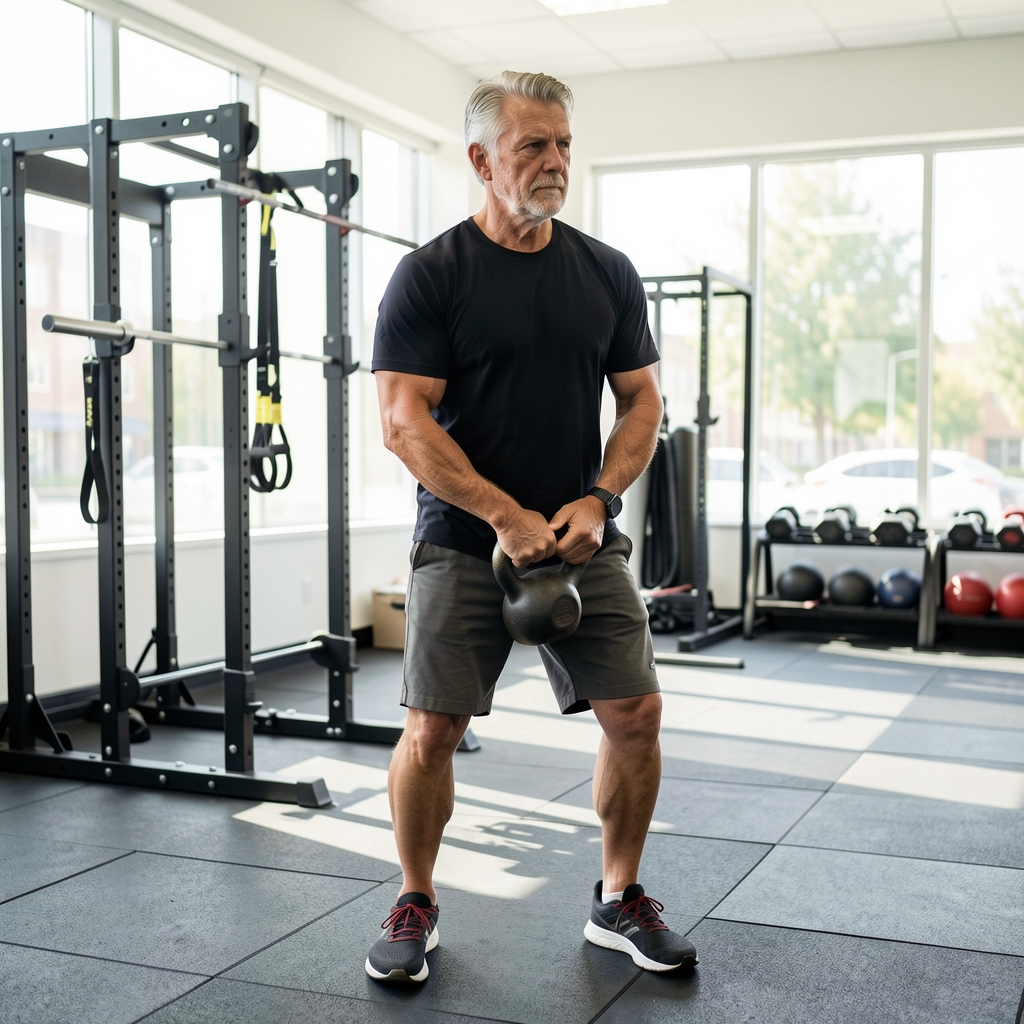
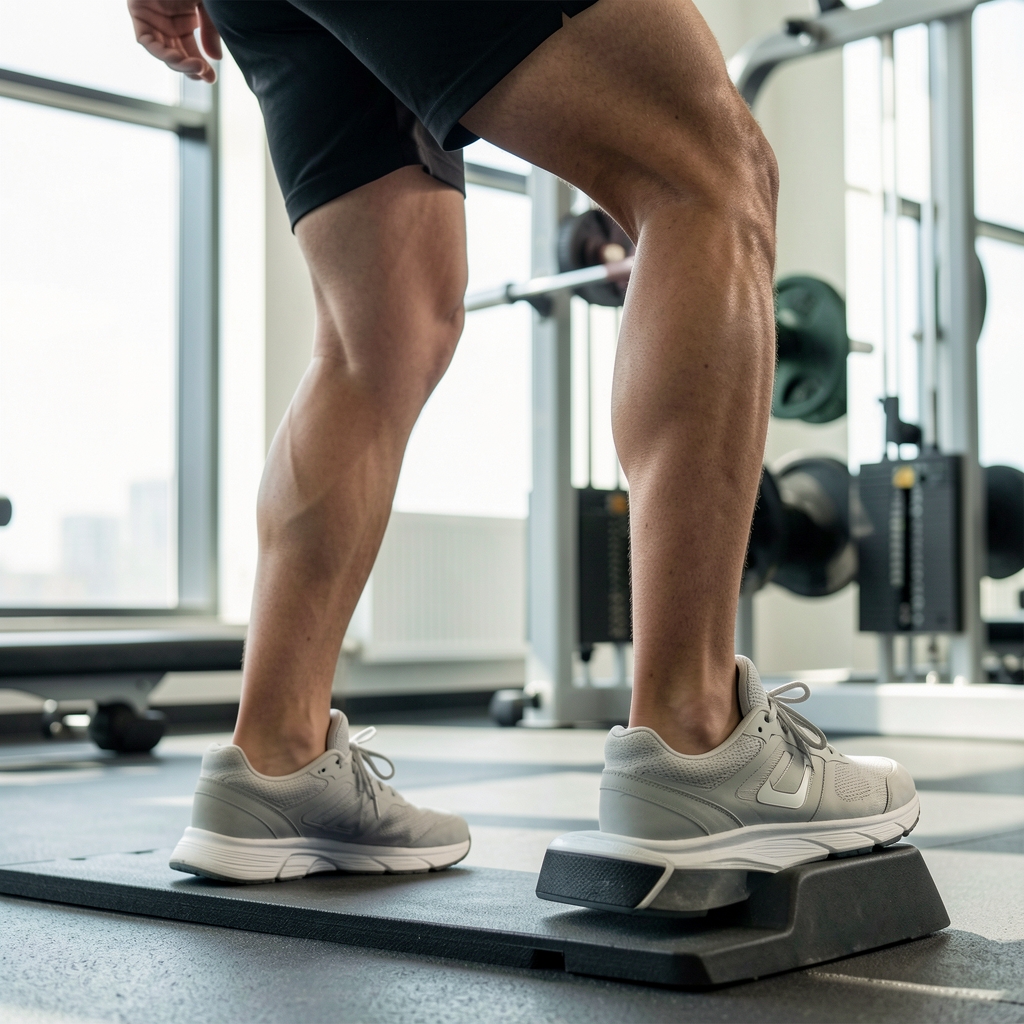
Carrying groceries, climbing stairs and lifting a suitcase ask for coordinated force under changing conditions. A training exercise can rehearse parts of those demands, but it should not pretend to reproduce an entire life. The transfer comes from improving capacity, confidence and options. A man who can comfortably carry two full bags up three flights of stairs without pausing has built something practical, even if that ability never appears on a leaderboard or a lifting chart.
Progress can mean another clean repetition, a slightly longer carry, more comfortable range or less hesitation. Load is one variable among many. Two people adding the same amount of weight to the same exercise can experience very different outcomes depending on sleep, stress, technique and how recently each has trained the same pattern.
When breathing becomes frantic and positions become unfamiliar, the session may be teaching fatigue rather than control. Ending a set while the intended pattern is still recognisable allows the nervous system to practise a better answer repeatedly. This matters more, not less, for men returning to strength work after a long gap, since early sessions are an opportunity to rebuild coordination before adding meaningful load.
"A movement earns complexity after control has become boring."
| Daily task | Related training pattern | Why the pattern helps |
|---|---|---|
| Lifting a suitcase into an overhead compartment | Controlled overhead press with a manageable load | Builds shoulder stability and confidence moving weight above the head |
| Carrying shopping bags from a car to the kitchen | Loaded carries over a measured distance | Trains grip endurance and an upright, breathable posture under load |
| Standing up from a low chair without using the arms | Controlled squat or sit-to-stand practice | Maintains hip and knee strength needed for independent movement |
| Climbing stairs while carrying something | Step-ups at a modest height with good alignment | Reinforces single-leg stability and knee tracking |
| Reaching into a car boot and lifting an awkward object | Hip hinge practice with light to moderate load | Teaches the back to stay braced while force comes from the hips |
Bending at the hips while keeping the spine supported, useful for lifting objects from low surfaces.
Walking while holding a load, useful for groceries, bags and uneven ground.
Placing full weight on one leg at a time, useful for stairs and uneven terrain.