Biomechanical Principles of Sustainable Endurance & Movement
Physical capacity is not an isolated attribute; it is the coordinated output of respiratory efficiency, neuromuscular motor control, and joint articulation. Our methodology bridges empirical physiological research with daily training habits.
The Cardiovascular Aerobic Foundation
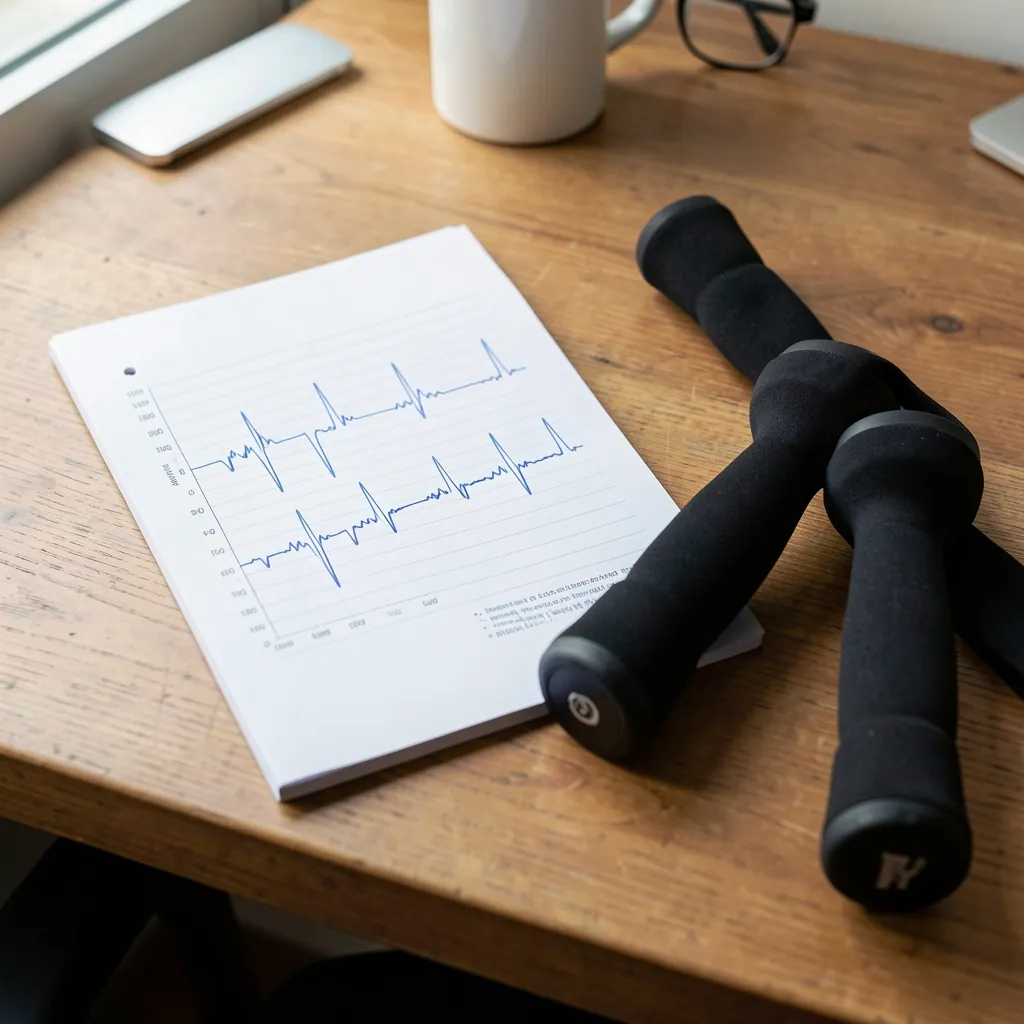
Sustainable movement relies on the body's ability to extract, transport, and utilize oxygen efficiently. Rather than chasing exhaustive thresholds, our training models emphasize extensive Zone 2 training—defined as roughly 60% to 70% of heart rate reserve (HRR).
At this intensity, cellular respiration is driven primarily by fatty acid oxidation, stimulating mitochondrial biogenesis without triggering significant systemic inflammation or prolonged muscular soreness.
Walking Cadence & Joint Biomechanics
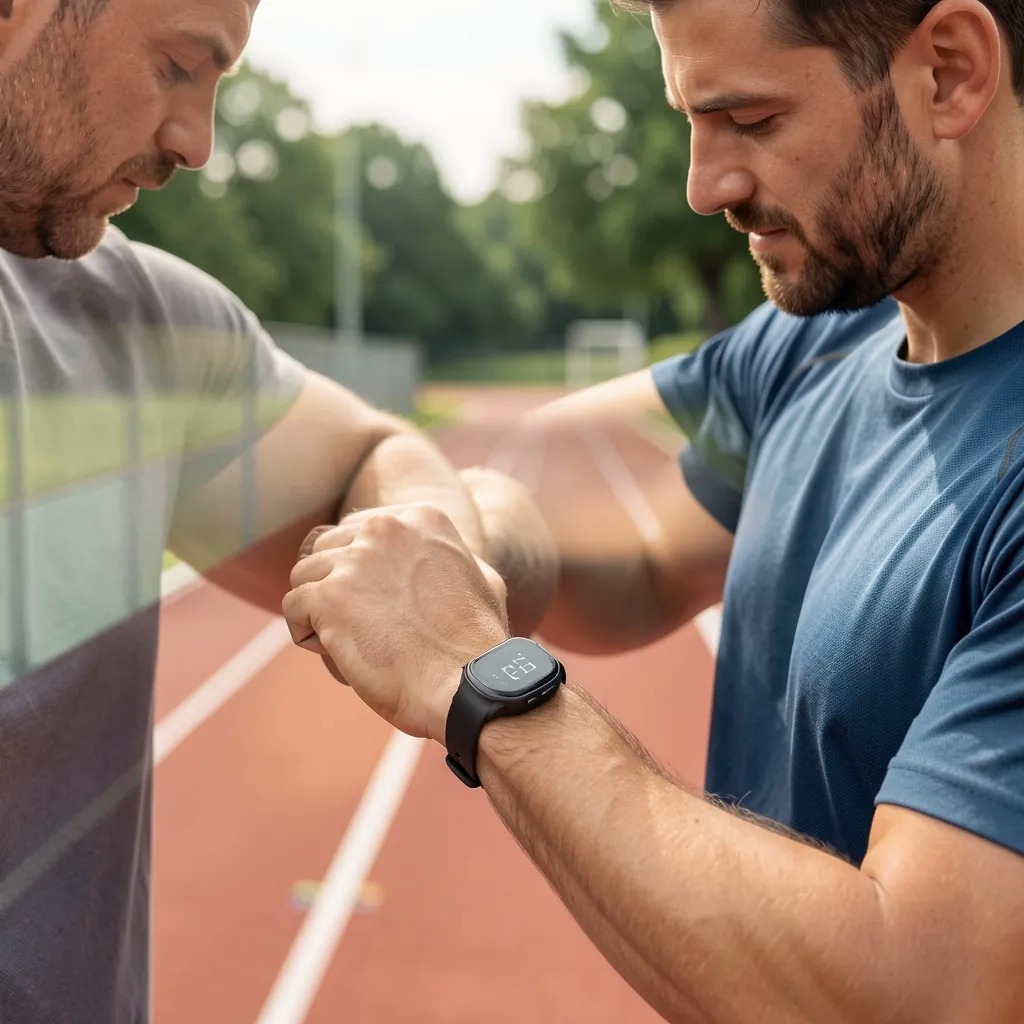
Locomotion efficiency is largely determined by stride frequency. Research consistently shows that a walking cadence between 105 and 125 steps per minute provides the optimal balance between cardiovascular stimulus and low articular impact.
Over-striding—taking excessively long, slow steps—causes an aggressive braking force upon heel contact. By increasing cadence while maintaining a compact stride, vertical oscillation is reduced by up to 28%, significantly lowering shear forces across the knees and lower lumbar spine.
- Cadence 100–110 SPM: Regenerative walking, joint mobilization, baseline active recovery.
- Cadence 110–120 SPM: Moderate aerobic engagement, ideal for 45-minute daily sessions.
- Cadence 120–130 SPM: Brisk conditioning cadence, elevating core temperature and metabolic flow.
Postural Ergonomics & Structural Alignment
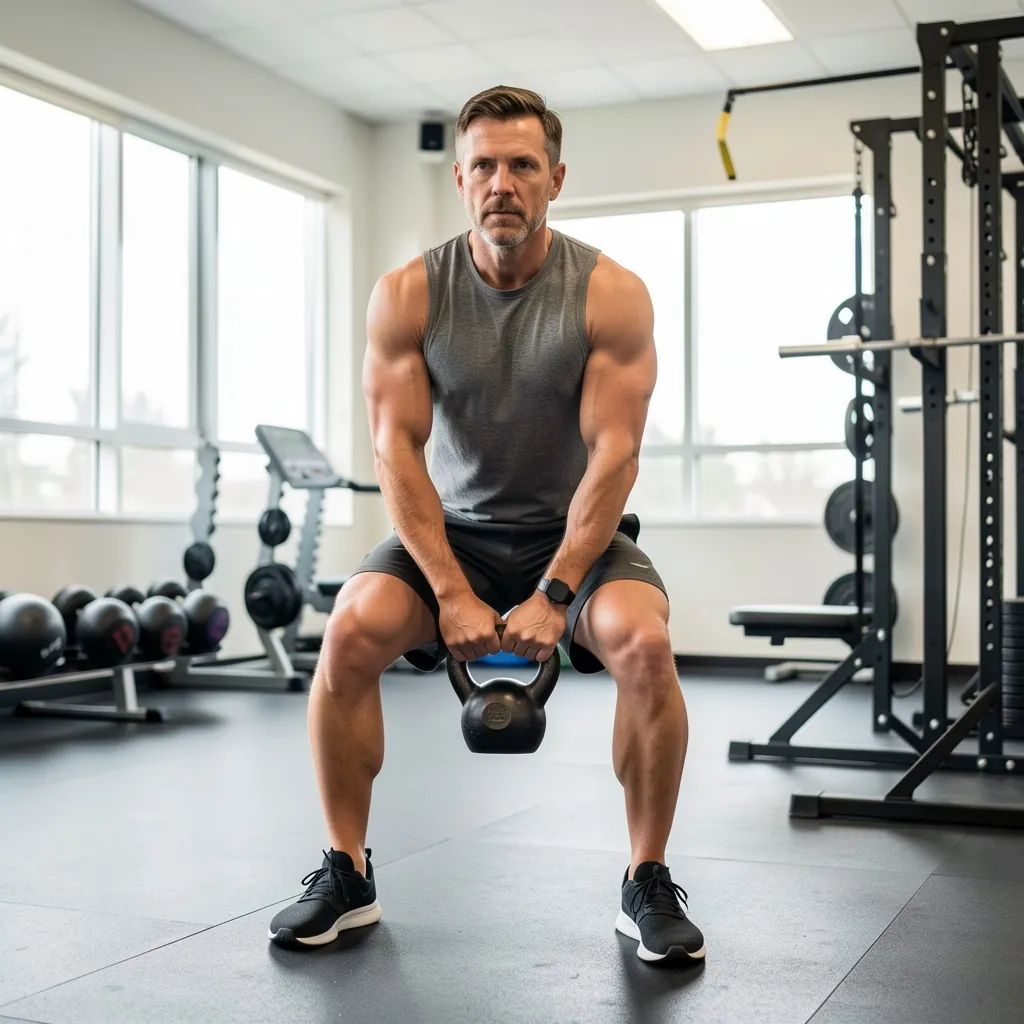
Prolonged seated desk work places the hips in chronic posterior tilt, shortening hip flexors and deactivating the posterior chain. When transitioning to movement, the lumbar spine often compensates for restricted hip extension.
Our postural protocol focuses on three primary alignments:
- Neutral Hip & Sacral Alignment: Engaging the lower abdominal wall to stabilize the sacrum during foot strike.
- Thoracic Mobility: Unlocking gentle rotational oscillation through the ribcage with each arm swing.
- Cervical Retraction: Reversing forward-head posture by aligning ears over shoulders, reducing neck tension.
Apply the Methodology to Your Routine
Use our interactive calculator to determine your specific heart rate reserve training targets, or connect with our editorial advisory desk for guidance.