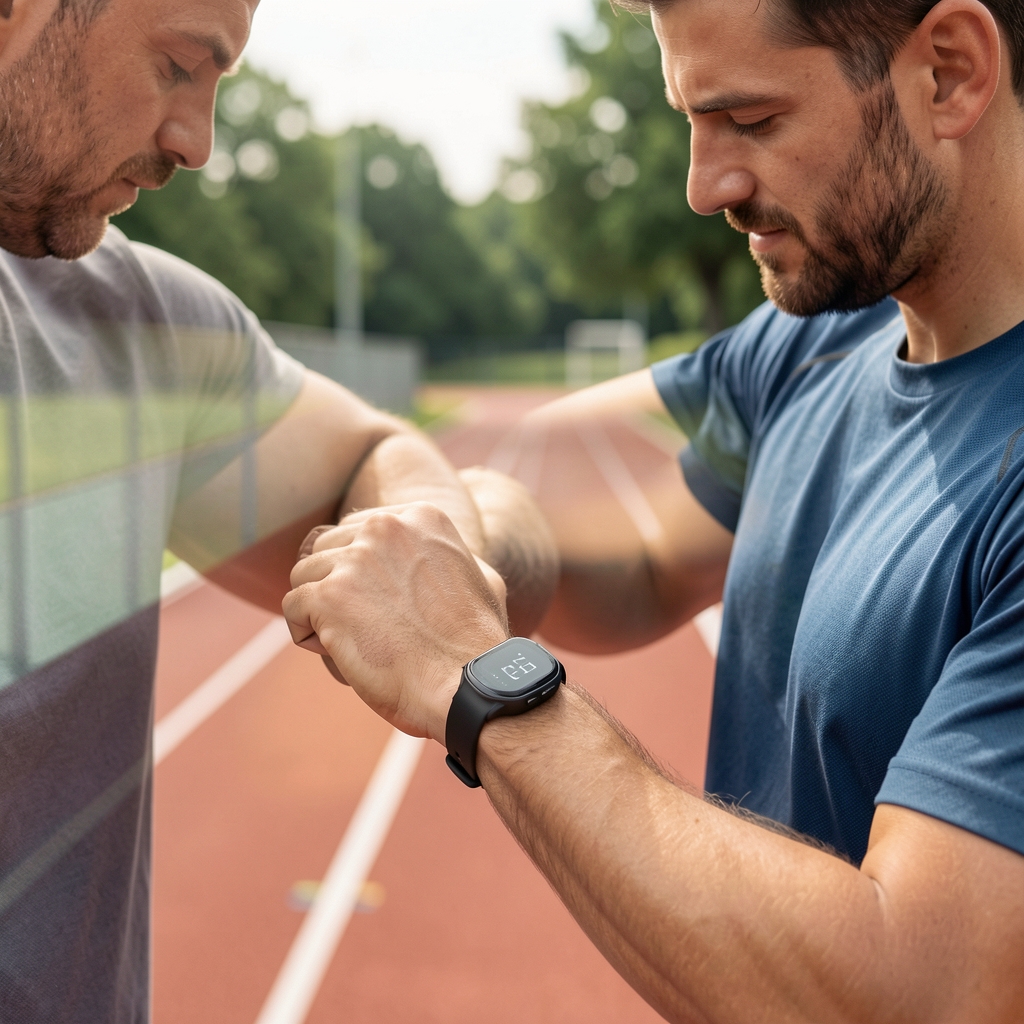
Cardiovascular context
Understand intensity, breathing, cardiac output and why sustainable aerobic work deserves a place in a busy week.
Explore endurance →Genese / Human performance journal
A grounded editorial resource for men 35+ exploring cardio endurance, functional strength and the recovery habits that make training useful in ordinary life.
Read the physiology guideBrowse recent reading
A practical lens
Understand intensity, breathing, cardiac output and why sustainable aerobic work deserves a place in a busy week.
Explore endurance →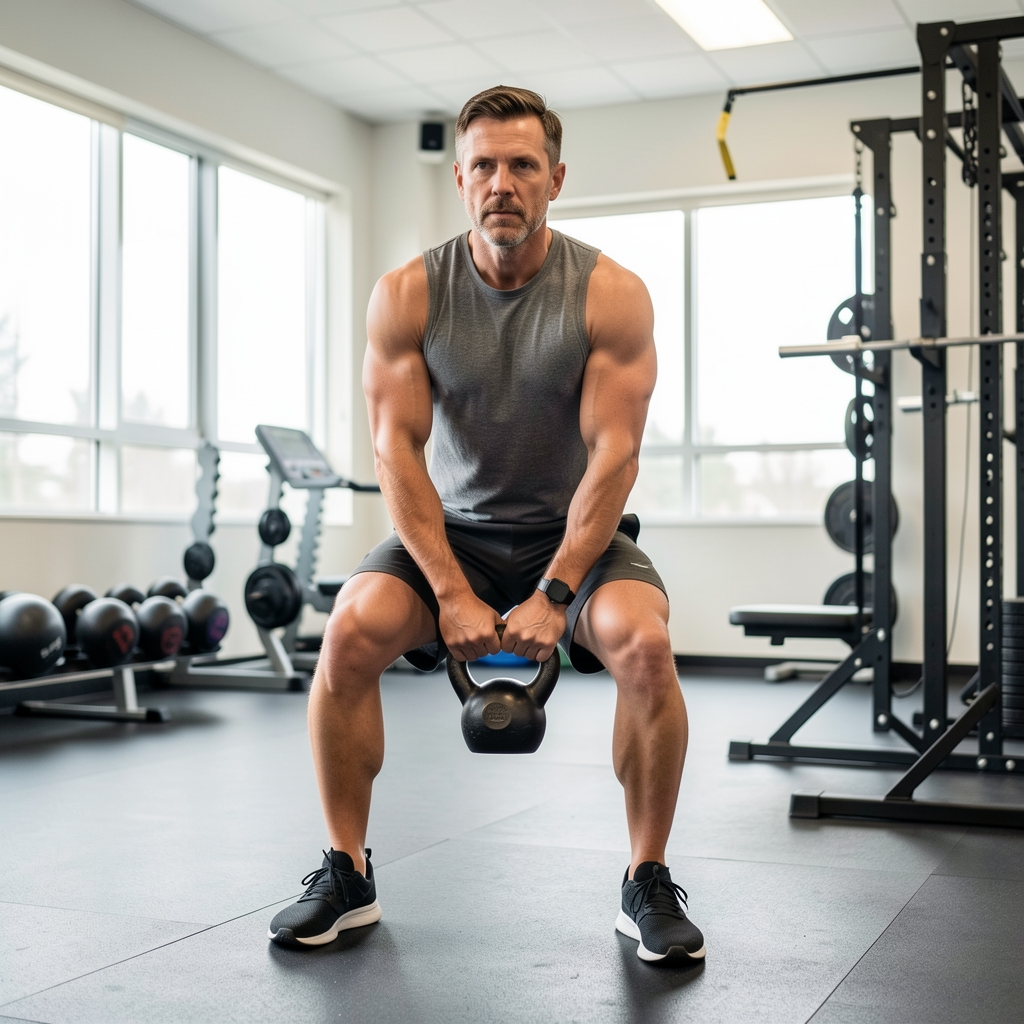
Build movement capacity through patterns, positions and repeatable sessions rather than novelty or noise.
Study functional training →
Sleep, food, workload and stress all change the training signal. Learn how to notice those changes without turning life into a spreadsheet.
Read recovery notes →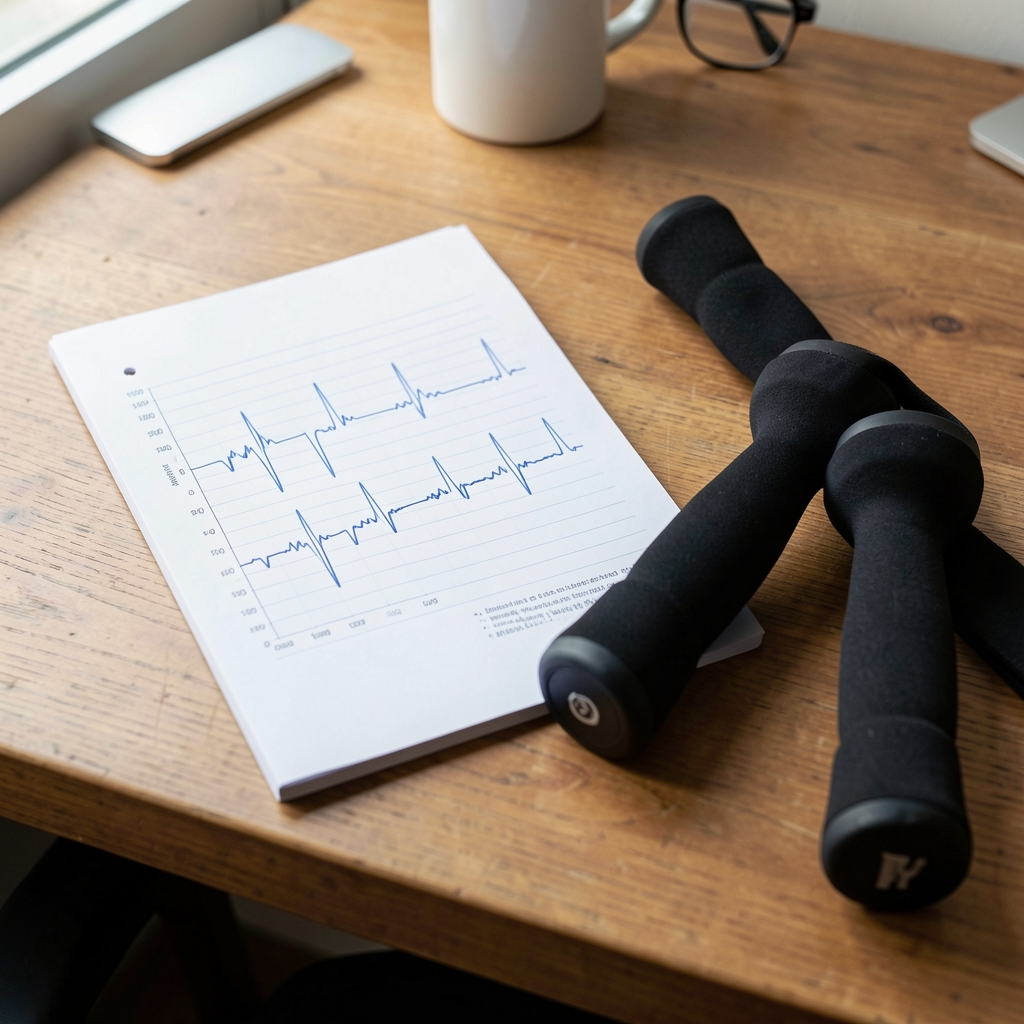
The Genese method
We connect published physiology with the lived details of training: the warm-up that felt unusually hard, the stair climb that improved, the session that did not fit the week. That approach keeps the material specific without pretending a single protocol fits every body.
Our editorial team separates established mechanisms from informed interpretation and marks uncertainty when it matters, so readers can judge for themselves how a concept applies to their own week.
See our methodologyWorking vocabulary
A short preview of the language used throughout this site. The complete reference lives on the glossary page.
VO2 max — the highest rate at which the body can take in and use oxygen during sustained effort; one marker among several used to describe aerobic capacity.
Heart rate variability — the variation in time between consecutive heartbeats, often reviewed alongside sleep and training load to describe recovery trends over days or weeks.
Progressive overload — the gradual, planned increase of training demand over time, used as a general principle rather than a fixed weekly formula.
Delayed onset muscle soreness — soreness that appears roughly one to two days after unfamiliar or harder-than-usual movement, distinct from pain associated with injury.
Read the full glossary →Where to begin
Behind the writing

Rama translates published exercise physiology into material suited for a reader in their late thirties or forties, with an emphasis on sessions that fit around work and family.

Dian edits the training and recovery sections, checking that movement descriptions are clear enough to follow without supervision while flagging where professional guidance is appropriate.

Fajar oversees the endurance and aerobic base articles, keeping pacing language and zone descriptions consistent with the methodology published on this site.

Sri writes the nutrition and recovery-signal content, focusing on fuelling and sleep habits that fit a working schedule rather than restrictive regimens.

Bayu verifies sources, dated claims and confidence levels before publication, and coordinates the corrections process described on the corrections policy page.
Common questions
No. Genese publishes general physiology and training information intended for a broad adult readership. It is not a substitute for individualized guidance from a qualified professional.
The editorial focus is men aged 35 and older who are returning to or maintaining structured training around work, family and other commitments.
New articles and reviewed updates to existing pages are published through 2026, with publication dates listed on each article.
The full FAQ page covers sourcing, scope and how to reach the editorial team with a question or correction.
“The most useful metric is often the one that helps you make a calmer decision next week.”
— Genese editorial desk
“Consistency is not a personality trait; it is a design problem.”
— Training notes, 2026
“A clear explanation respects the reader more than a dramatic promise.”
— Editorial principle
From the reading room

Published 14 October 2026 · How low-to-moderate work supports pacing, recovery and confidence.

Published 2 October 2026 · A closer look at control, range and repeatable loading.
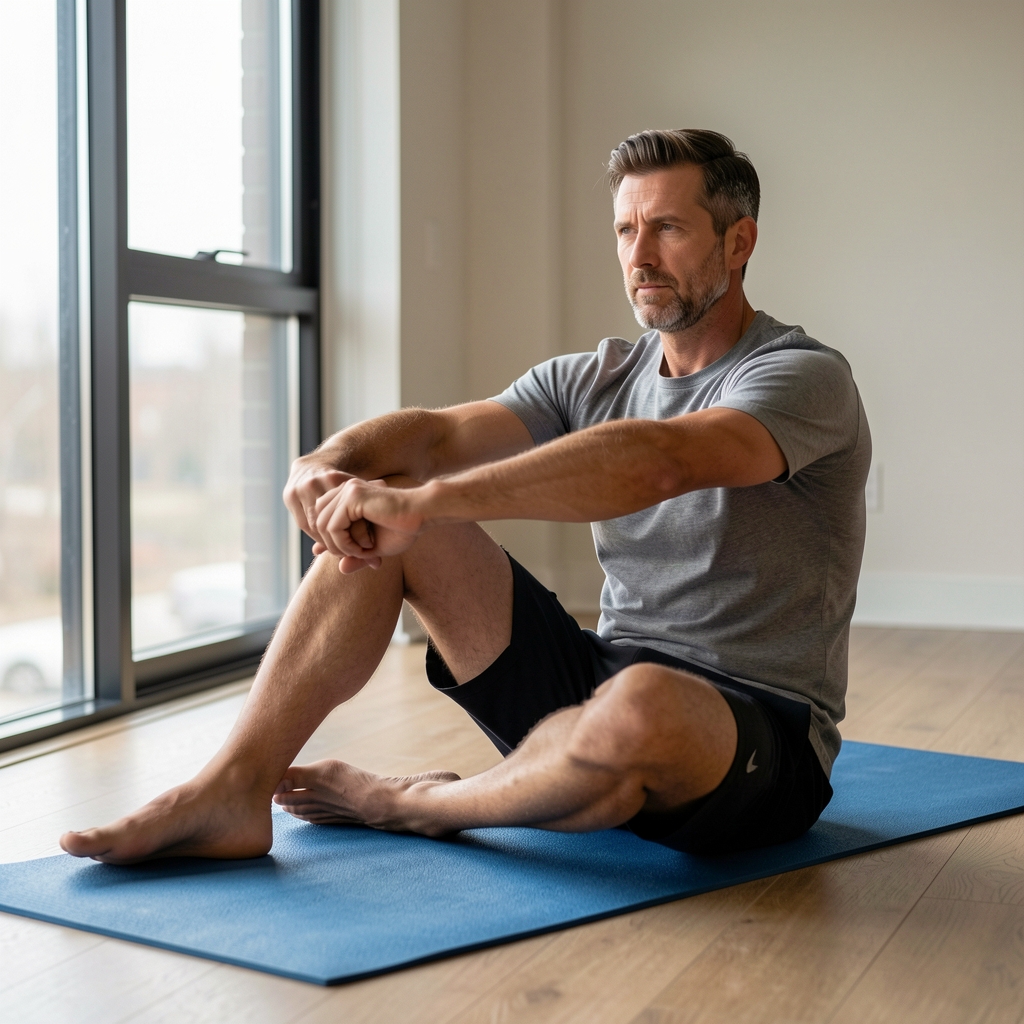
Published 21 September 2026 · What persistent fatigue, poor sleep and flat sessions tend to indicate.
Use the glossary, FAQ and long-form guides to build a more precise vocabulary for your own training conversations.
Visit the FAQBrowse all articles